Sunday, August 17, 2008

Ina Turns 14

Celebrating her birthday at home with our family friends from Belgium
thank you Tita April for this gorgeous cake!
After a lazy stroll in the lakeside, we had a pizza and lasagna lunch. We took everybody for a dessert treat at home. Then we all went to Gruyere...

Thursday, August 14, 2008

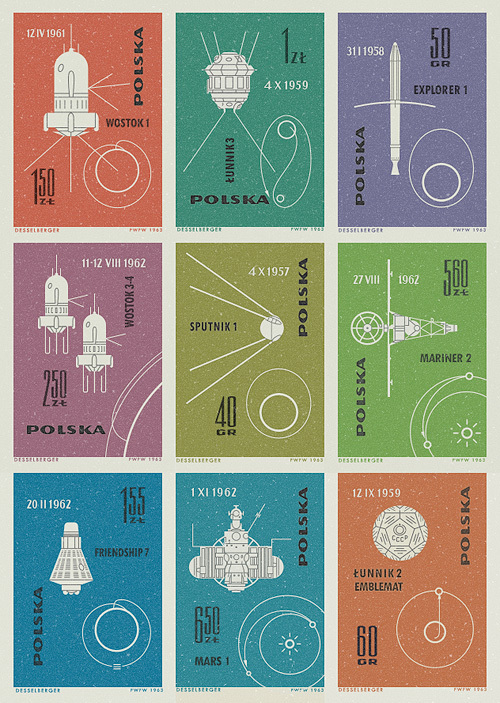
Space-Age Polska Stamps

A little retro eye-candy: I'm loving these space-age stamps from Poland!

image source: stevey.com

Friday, August 8, 2008

Concordia Bridge and Pont des Îles

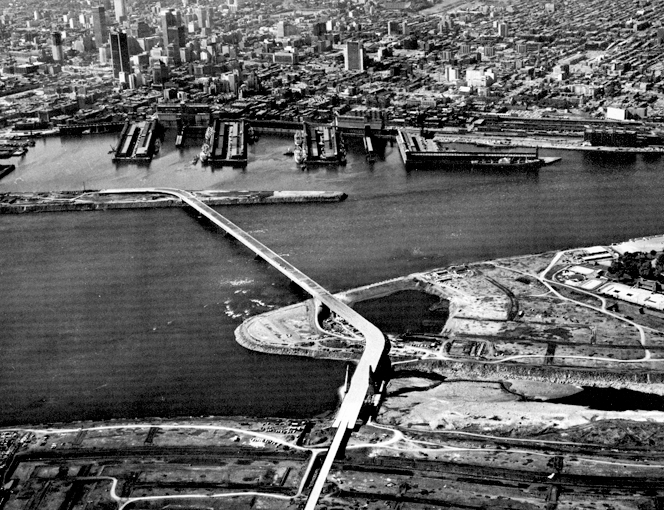
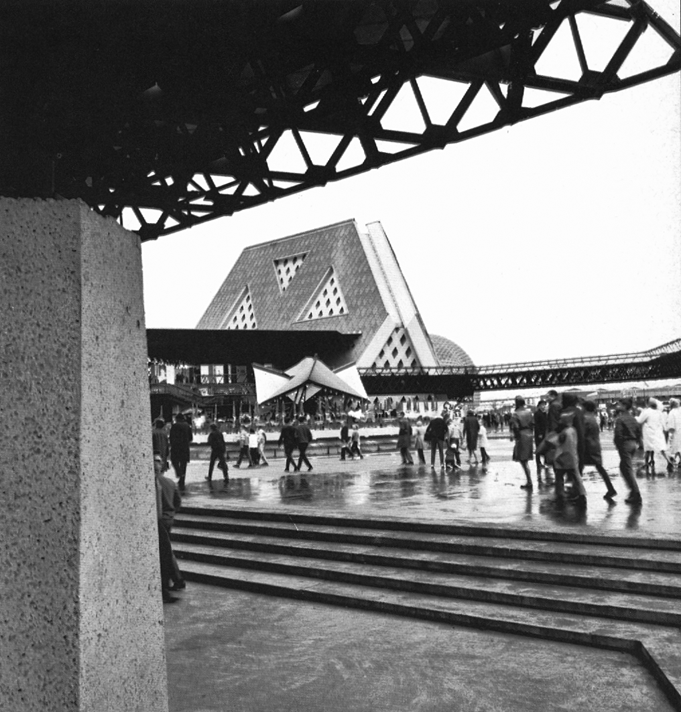
Pavilions were not the only noteworthy architecture at Expo 67. Concordia Bridge and Pont des Îles were stunning feats of engineering, playing key roles before and during Montreal's world's fair.


Concordia Bridge


Concordia Bridge was inaugurated on October 21, 1965, at the height of the Expo 67 building boom. Originally called Pont des Peuples and then Pont des Nations, the name Concordia was finally decided upon; "Concordia" being the goddess of harmony in Greek Mythology... a fitting tribute to Expo's overall theme.


Concordia Bridge provided rapid access to Île Sainte-Hélène from Cité du Havre (formerly known as Mackay Pier); where Expo 67's main entrance was located.


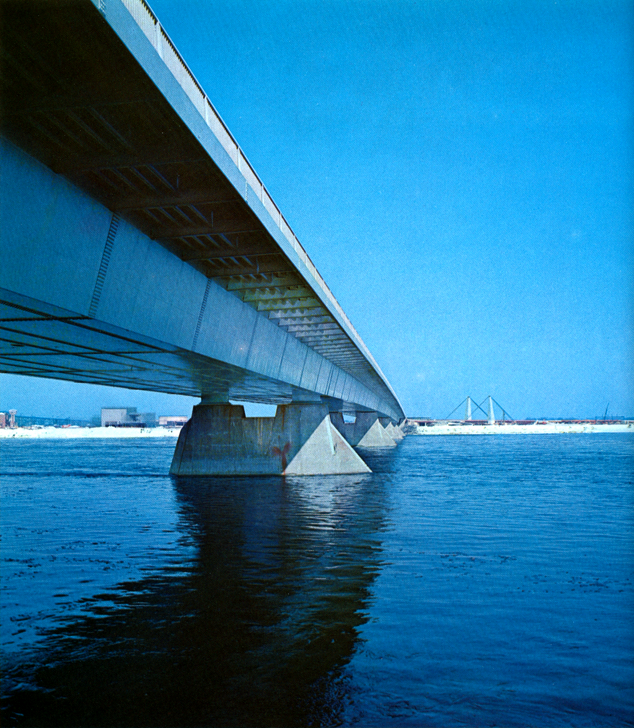
One of the world's longest bridges of its kind, and the second to be built in North America, Concordia Bridge offered users a striking view of downtown Montreal and the Expo site. The lack of apparent supporting structure made the orthotropic bridge a masterpiece of industrial design.


Like Expo 67 itself, Concordia Bridge was built in record time: it took just eighteen months to complete work that normally would have taken at 2 to 3 years. And like Expo, its assembly was a great exploit: the bridge was shop-assembled in 5 pieces, then installed from the two banks by means of a travelling crane that ran along a track.


Of German design, the 2265 foot bridge ran in a straight line between Mackay Pier and Île Sainte-Hélène. The bridge was 94 feet wide, with 38 feet reserved for vehicular traffic, 22 feet for pedestrians, and 32 feet set aside for the Expo-Express rapid transit system.


While cars were not permitted on the Expo site, trucks used the Concordia Bridge to replenish food supplies and other necessities after hours.


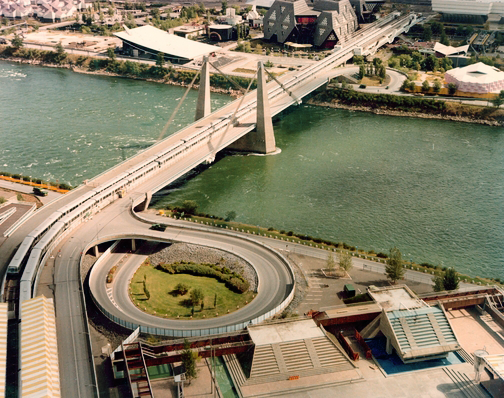
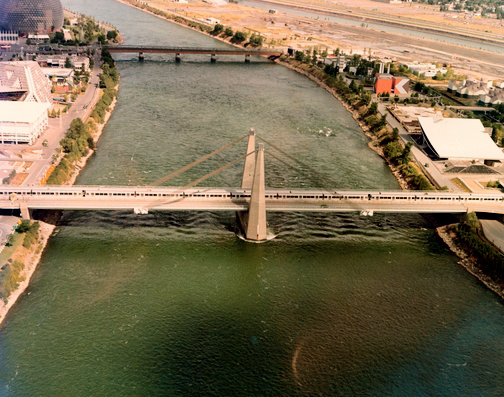
Pont des Îles


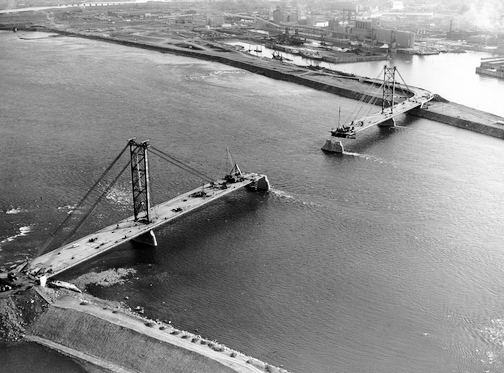
Pont des Îles was opened two years before the start of Expo 67. Connecting Île Sainte-Hélène and Île Notre-Dame, the bridge played a crucial role in enabling access to the jobsites that were operating at a furious pace preparing for Expo.

Pont des Îles' conceptors were faced with certain constraints: structures for the bridge were to be no higher than its deck, and only one pier was allowed. Moreover, this pier had to be set in the centre of the structure.

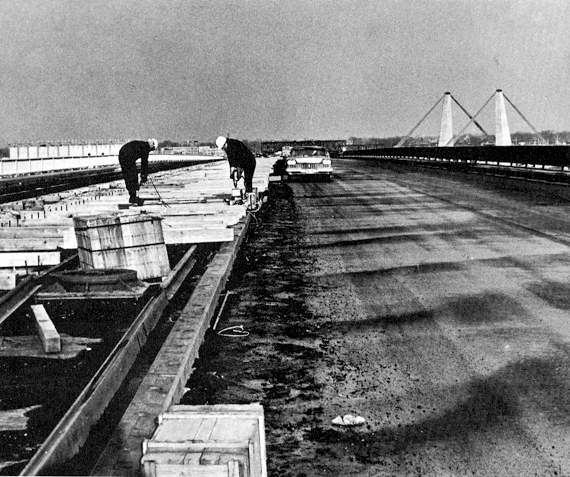
The bridge was supported by 36 steel cables attached to two reinforced-concrete double towers in the middle. This gave Pont des Îles an unusually elegant profile.

Like the Pont de la Concorde (of which it was an extension) Pont des Îles had reserved lanes for the Expo-Express and pedestrian traffic...

images: (1, 2, 4, 5) personal collection (montreal '66)

(3, 6, 7) memorablemontreal.com

Saturday, August 2, 2008

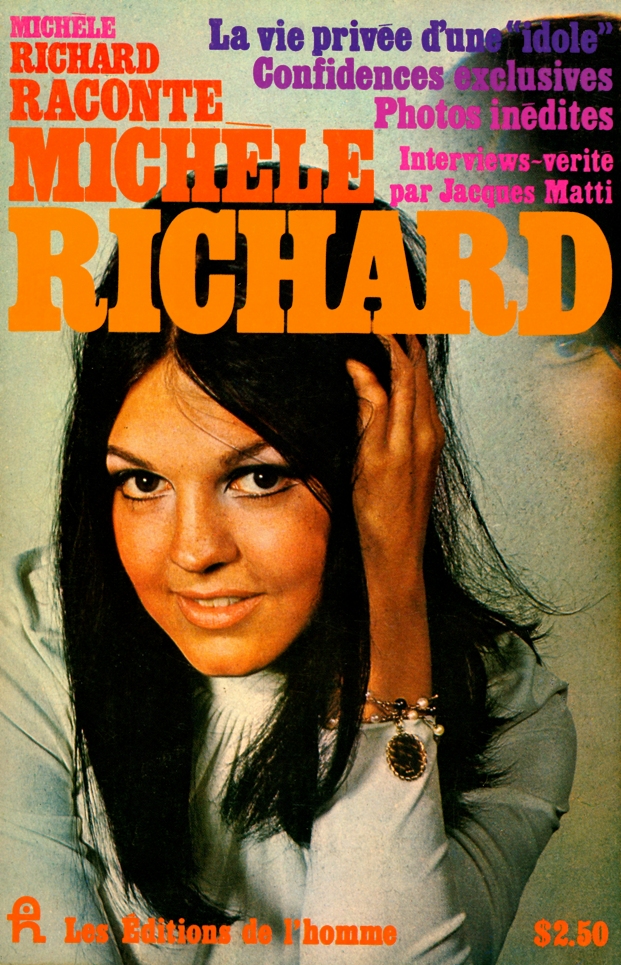
Michèle Richard raconte Michèle Richard

Ain't she sweet? Apparently, no!

Like the picture sleeve for Hey Friend Say Friend, I had been looking for this Michèle Richard collectible for years. I finally found my copy on eBay.

"Michèle Richard raconte Michèle Richard" was released in 1969, when Michèle was 22 years old. Semi-autobographical, much of the book's text was written by Michèle herself, interspersed with "entrevues chocs" by a certain Jacques Matti.

I'm devouring the book, as we speak!

My biggest surprise so far?... I've always been under the impression that in the 1960's, young Michèle Richard was everyone's girl next door, and that it was only in later years that she would be criticized by some for her boisterous character.

Not so, I'm finding out!... Even in 1969, Michèle's extravagant personality was already getting her into hot water!

The back cover included words like "calculating" and "controversial".

images: personal collection

Monday, July 28, 2008

Decarie Boulevard, 1961

Decarie Boulevard as seen in 1961, before it became a sunken expressway.

image source unkown

Saturday, July 26, 2008

Man and his World

Montreal was given the green light for Expo 67 in late 1962, less than five years with which to build and plan its world's fair.

In 1963, with time pressing, the Canadian Corporation for the 1967 World Exhibition called a conference of prominent educators, literary figures, and intellectuals at Montebello, Québec, to choose a central theme and evolve a philosophy for Expo 67.

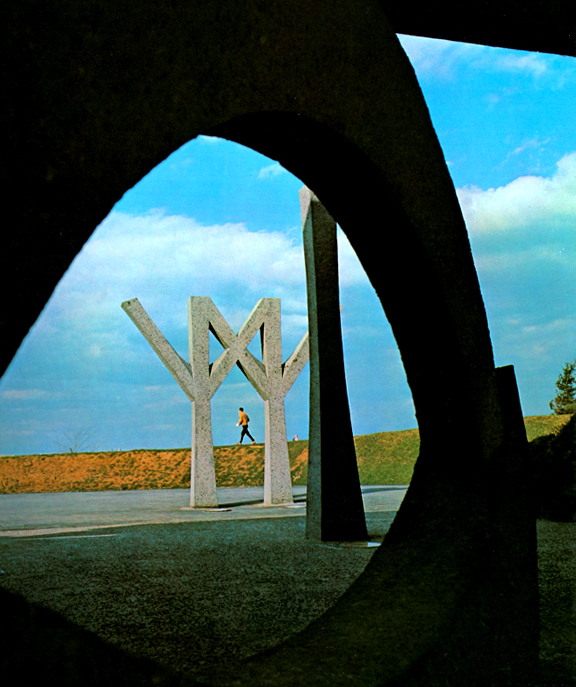
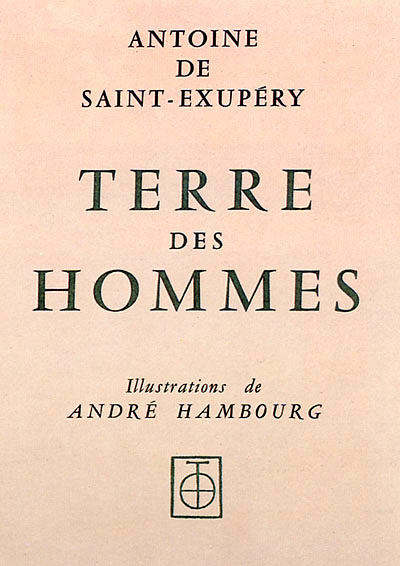
Man and His World was the theme chosen at the 3-day Montebello conference, derived from the title of a thought-provoking book by French author, poet and aviator Antoine de Saint-Exupéry: Terre des Hommes.

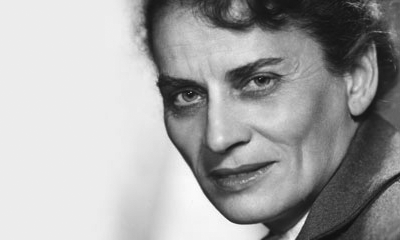
Acclaimed French-Canadian author Gabrielle Roy (1909-1983) was a key participant in the Montebello conference. In a souvenir album released during Expo (simply titled Man and his World), Roy explained how Saint-Exupéry's vision would become Expo 67's theme and main focus:

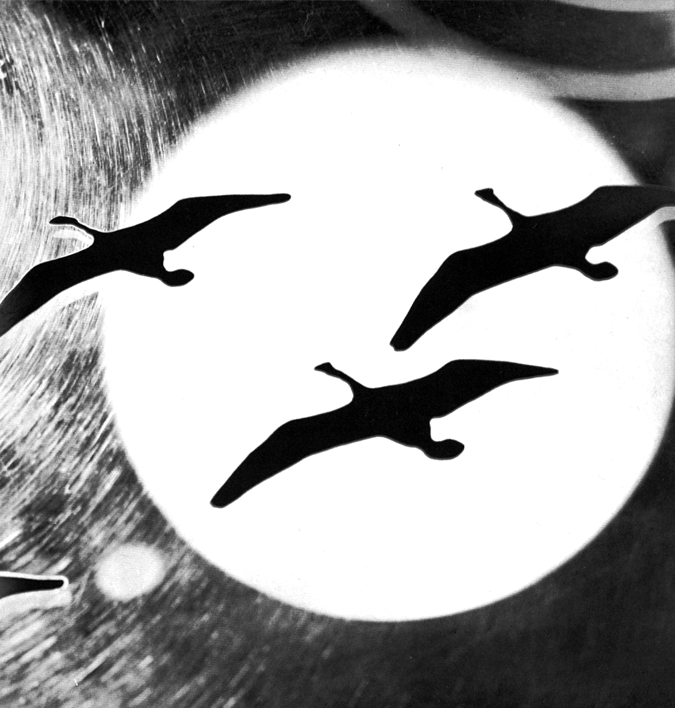
"Saint-Exupéry said it simply: 'To be a man is to be responsible, to feel that by laying one's own stone, one contributes to building the World.'

"At Montebello, each of us made recommendations: where possible, the participating countries should consider the theme philosophy in their plans for national pavilions; the Canadian Corporation for the 1967 World Exhibition should devote its efforts to making the theme the central core in its own pavilions and in all its other projects. This would be its distinct and personal share in the common effort of the seventy-odd countries that would join with us to create Expo 67. The theme pavilions, with consistent emphasis on the idea of human interdependance would then form the hub of the great wheel of men and nations. We also wanted to invite the participating countries to collaborate on the theme itself. At any rate, since this was Man's Earth, belonging to everyone, coming from everyone, intended for everyone, we thought it desirable that contributions to the project should blend, complement one another, forming one complete whole, like the perfectly balanced instruments of an orchestra."


images: (1-4-5) from "Man and his World" (published 1967)
(2) hambourg.com
(3) maisongabrielleroy.mb.ca

(5) image montage by author

Saturday, July 12, 2008

Tycho

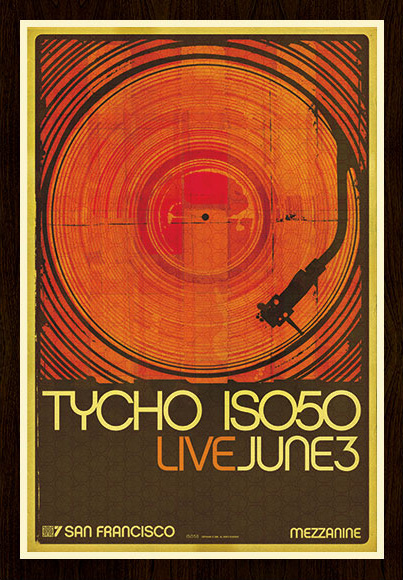
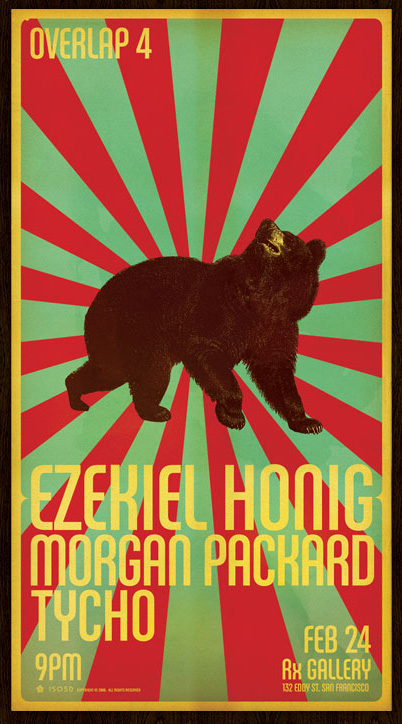
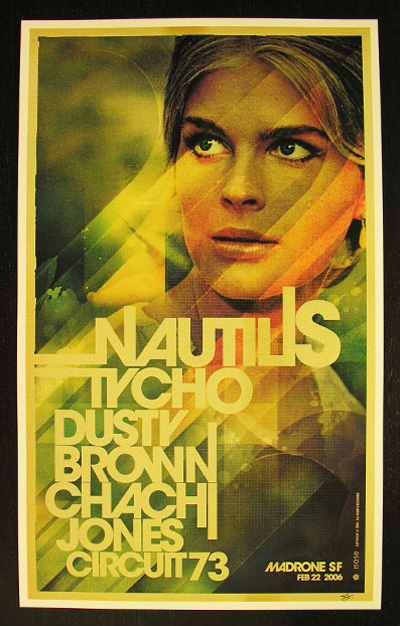
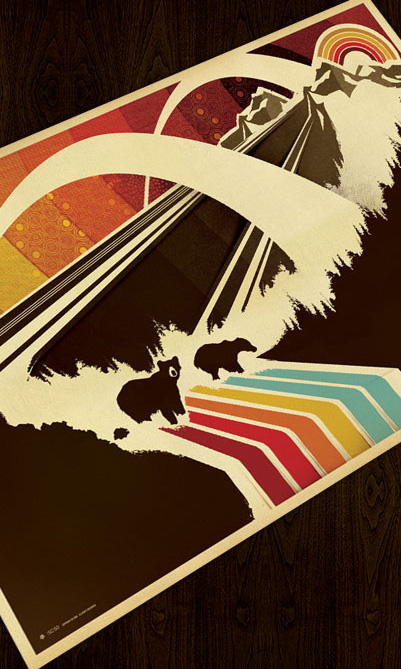
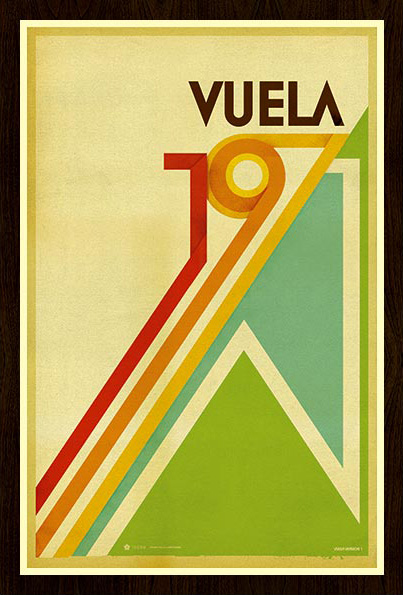
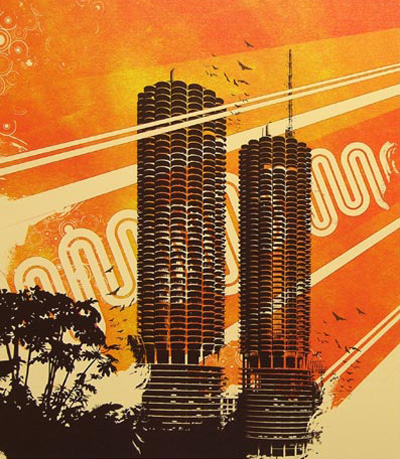
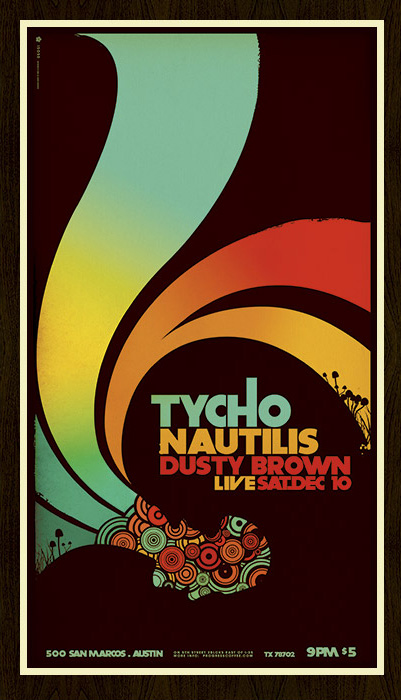
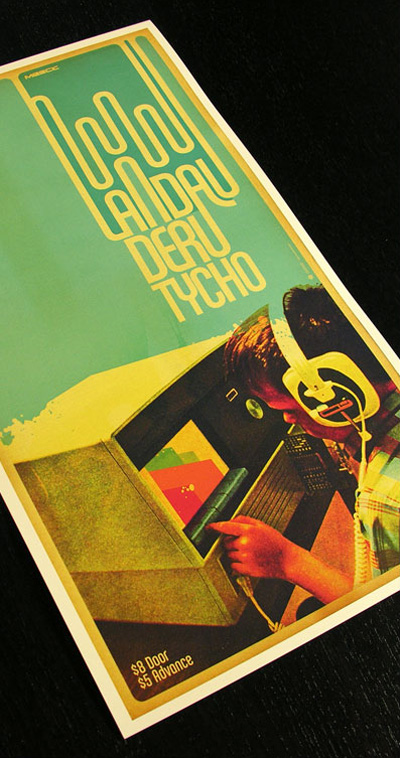
I am so into Tycho lately... for both the ultra retro graphics and super smooth sounds!

Vaguely reminiscent of early Air, Tycho is the music project of San Francisco based artist and producer Scott Hansen.

From the website:

"As Tycho, Hansen blends swirling melodies into vaguely triumphant arcs that crisscross between stuttering beats and vocal samples, creating rolling sonic landscapes that extend off into the horizon...

Known in the design world as ISO50, Hansen's bucolic, sun-drenched design style serves as a backdrop for the music which so closely echoes his visual sentiments."

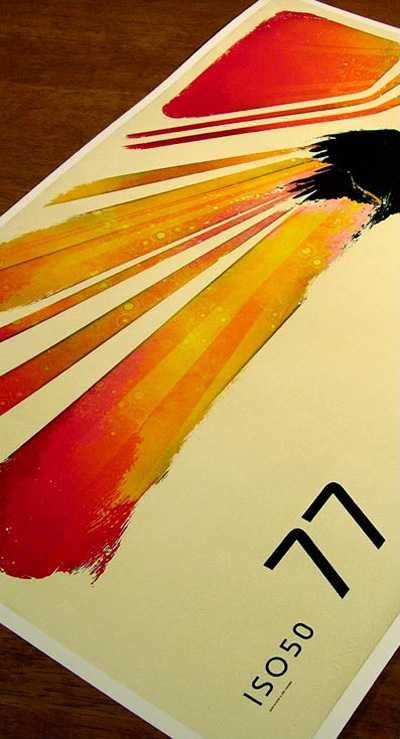
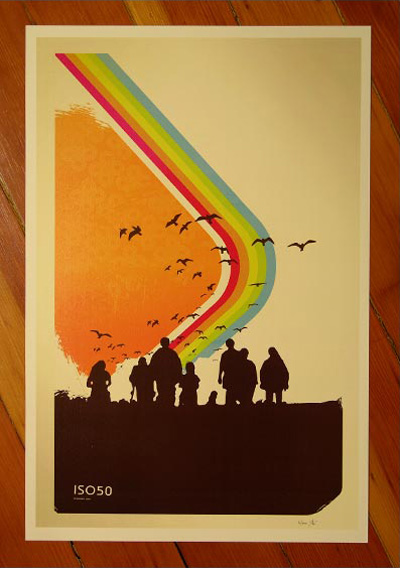
The images shown here are all prints available in the Tycho/ISO50 store.


images: merchline.com/iso50